
Are you tired of setting weight loss goals that seem impossible to achieve? Do you struggle to measure your progress and stay motivated on your journey towards a healthy body weight? If so, you’re not alone. Many people struggle with figuring out the right weight loss goals and tracking their progress effectively. In this section, we will provide expert advice on how to set realistic weight loss goals and measure your progress effectively.
By following the steps outlined in this section, you will gain a better understanding of what it takes to achieve sustainable weight loss and stay motivated along the way.
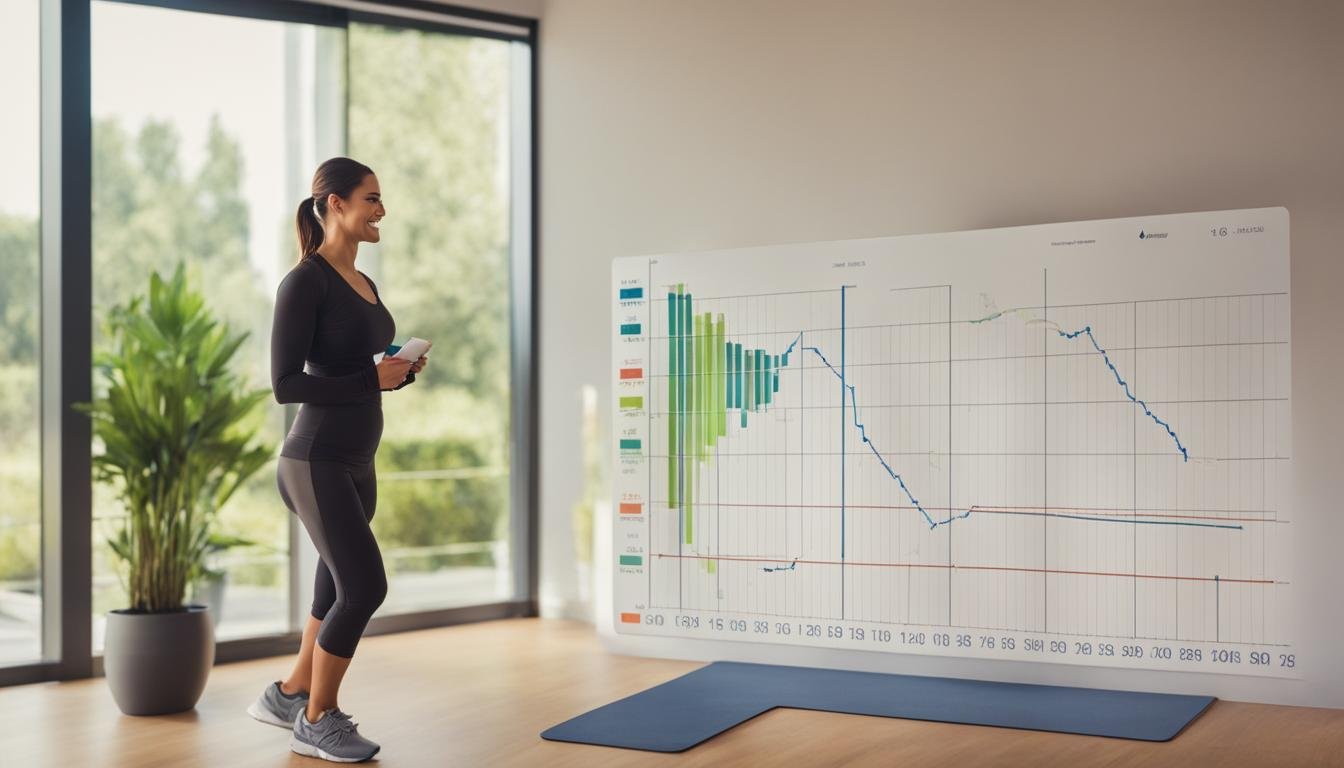
Key Takeaways:
- Setting realistic weight loss goals is crucial for success
- Assessing your current situation is an important first step
- SMART goals can help you establish specific and achievable targets
- Breaking down long-term goals into short-term targets enhances motivation
- Measuring progress effectively requires choosing the right tools and tracking body composition changes
Why Setting Realistic Weight Loss Goals is Important
In the world of weight loss, setting realistic goals is crucial for success. But why is this so important?
Firstly, setting achievable targets can help keep you motivated. When you see progress towards your goals, it can give you a sense of accomplishment that fuels your journey towards a healthier lifestyle.
Secondly, unrealistic goals can be demotivating and lead to frustration or even giving up entirely. It’s important to set targets that are within your reach and take into account your current situation, health, and lifestyle.
Finally, setting realistic goals can improve your mental well-being. Rather than feeling defeated by unattainable targets, setting achievable goals can boost your confidence and self-esteem.
Overall, setting realistic weight loss goals is essential for a successful journey towards a healthier you. So, take some time to evaluate your current situation and set achievable targets that will keep you motivated and on track.
Assessing Your Current Situation
Before embarking on a weight loss journey, it’s crucial to assess your current weight status, body composition, and fitness level. Evaluating your starting point will help you set realistic and achievable goals.
The first step is to measure your weight using a reliable scale. You can also calculate your body mass index (BMI) to determine if you fall within a healthy weight range. However, BMI alone may not provide a complete picture of your body composition.
| Body Composition | Ideal Range | |
|---|---|---|
| Body Fat Percentage | 18-30% for women | 10-25% for men |
| Waist Circumference | Less than 35 inches for women | Less than 40 inches for men |
You can also evaluate your fitness level by performing simple tests, such as measuring your resting heart rate, timing yourself for a one-mile walk or run, or performing push-ups and sit-ups. These tests can provide a baseline for tracking improvements in cardiorespiratory endurance and muscular strength.
Remember, the goal is not to achieve perfection but to make progress towards a healthier lifestyle. By assessing your current situation, you can establish a starting point and set realistic and achievable weight loss goals.
Setting SMART Goals
When it comes to setting weight loss goals, it’s crucial to take a SMART approach. SMART goals are specific, measurable, achievable, relevant, and time-bound. By following this framework, you can establish clear and realistic targets that will help you stay motivated and track progress effectively.
Let’s break down each element of the SMART framework:
| Element | Description | Example |
|---|---|---|
| Specific | The goal should be clear and focused, leaving no room for ambiguity. | Lose 10 pounds in 2 months. |
| Measurable | The goal should have concrete criteria for success that can be measured objectively. | Weigh yourself every week to track progress. |
| Achievable | The goal should be realistically attainable given your current circumstances and resources. | Lose 10 pounds in 2 weeks may not be feasible or healthy. |
| Relevant | The goal should align with your overall values, needs, and priorities. | Losing weight may be important for your health, but it shouldn’t compromise your mental well-being. |
| Time-bound | The goal should have a clear deadline that creates a sense of urgency and accountability. | Lose 10 pounds in 8 weeks before a friend’s wedding. |
By applying the SMART framework to your weight loss goals, you can ensure that you are setting yourself up for success. Remember to be realistic and flexible in your approach, and don’t be afraid to adjust your goals as needed.
Breaking Down Long-Term Goals into Short-Term Targets
Long-term weight loss goals can be daunting, which is why breaking them down into smaller, short-term targets is key to success. By focusing on achievable targets, you can build confidence, momentum, and motivation over time.
How to Set Short-Term Goals
Short-term goals should be specific, measurable, and achievable within a reasonable timeframe. For example, instead of setting a goal to lose 50 pounds in six months, set a target to lose 1-2 pounds a week. This target is more achievable and realistic.
A useful approach is to use the SMART goal-setting method. SMART stands for Specific, Measurable, Achievable, Relevant, and Time-bound. By applying these criteria to your short-term targets, you will have a better chance of success.
| SMART Goals for Weight Loss | Not a SMART Goal for Weight Loss |
|---|---|
| Goal: Lose 1-2 pounds per week for the next 12 weeks by exercising five times a week and eating a balanced diet. | Goal: Lose as much weight as possible in the next month. |
| Specific: Lose 1-2 pounds per week | Specific: Lose weight |
| Measurable: Track weight loss progress weekly | Measurable: Not measurable |
| Achievable: Reasonable target based on current weight and lifestyle | Achievable: Unrealistic target |
| Relevant: Contributes to long-term weight loss goals | Relevant: Not relevant to weight loss |
| Time-bound: Achieve target in 12 weeks | Time-bound: No deadline specified |
Remember to celebrate your short-term victories. Recognizing and rewarding progress boosts confidence and reinforces positive behaviors. Examples of non-scale victories include fitting into clothes better, feeling more energized, and being able to perform physical activities with greater ease.
Choosing the Right Tools for Tracking Progress
Tracking your weight loss progress is an essential part of achieving your goals. It allows you to monitor your success and adjust your approach as needed. There are various methods and tools available to track progress, and choosing the right one(s) can make a significant difference in your weight loss journey.
One of the most common and traditional ways to track progress is by using a scale. For many people, watching the numbers on the scale go down is a satisfying way to measure success. However, it’s also important to keep in mind that the scale can be misleading at times due to factors like water weight fluctuations and muscle gain.
Another way to track progress is by taking body measurements. This can be done with a tape measure, and it’s an effective way to track changes in inches and body fat percentage. Keep in mind that, unlike the scale, taking measurements doesn’t show immediate results. Changes in your body composition may not be visible right away, and it’s important to be patient and consistent with taking measurements.
Digital apps are also becoming increasingly popular for tracking weight loss progress. These apps can help you record your meals, workouts, and other relevant information, providing you with a comprehensive overview of your progress. Some apps even offer features like calorie and macronutrient tracking, making it easier to stay on top of your diet and nutrition.
Tracking with an App
If you decide to use a digital app to track your progress, some popular options include:
| App Name | Description |
|---|---|
| MyFitnessPal | A comprehensive app that allows you to track your meals, workouts, and progress. It also offers a vast database of foods and nutrition information. |
| Fitbit | A wearable device that tracks your daily activity, workouts, and sleep. It also syncs with the Fitbit app for a more in-depth view of your progress. |
| Lose It! | An app that helps you track your meals, workouts, and progress. It also offers a social feature that allows you to connect with friends and share your achievements. |
When choosing a tracking tool, consider your personal preferences and lifestyle. If you prefer a more traditional approach, a scale or tape measure may be more suitable for you. If you’re tech-savvy and enjoy using digital apps, consider trying one of the many available options.
Whatever method or tool you choose, remember that tracking progress is just one part of achieving your weight loss goals. It’s also important to focus on healthy habits, like regular exercise, balanced nutrition, and self-care. By combining effective tracking tools with a holistic approach to weight loss, you can achieve long-term success and a healthier, happier life.
Monitoring Body Composition Changes
Tracking changes in your body composition is essential to measure progress accurately during your weight loss journey. Unlike solely using bodyweight to assess progress, monitoring body composition can provide insights into muscle mass, body fat percentage, and overall health improvements.
One effective method for measuring body composition is through the use of body fat calipers. These tools measure skinfold thickness at various points on the body to determine body fat percentage. Alternatively, bioelectrical impedance scales send a low electrical current through the body to estimate body fat percentage.
Another way to monitor changes is by measuring circumference, such as waist or hip circumferences. This approach can help to track progress in losing inches and reducing body fat in specific areas.
It’s important to note that changes in bodyweight do not always reflect changes in body composition, especially when adding muscle through exercise. In fact, muscle weighs more than fat, which can result in an increase in weight but a decrease in body fat percentage. Thus, monitoring body composition changes can help to assess progress more accurately.
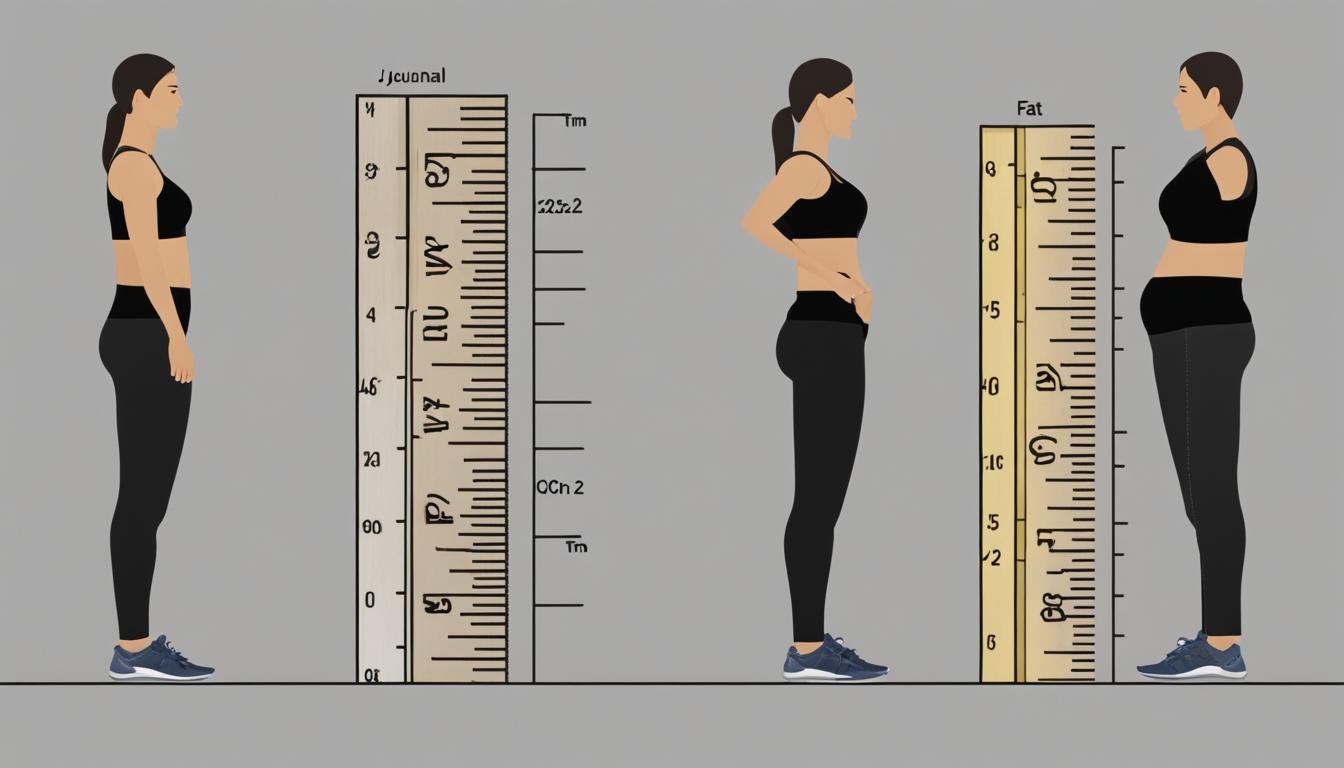
By monitoring your body composition changes, you can gain a better understanding of your progress beyond just the number on the scale. Utilize various measurement tools to track your progress effectively and adjust your goals accordingly to achieve your desired body composition changes.
Celebrating Non-Scale Victories
Losing weight is a journey that is not solely defined by numbers on a scale. It’s important to celebrate the non-scale victories along the way, as they can be just as significant as measurable weight loss.
Non-scale victories are positive milestones that occur during your weight loss journey, but are not related to a number on the scale. They can be anything from dropping a dress size to running a mile without stopping, to simply feeling more confident in your own skin.
Celebrating these victories can help you stay motivated and focused on your goals, even when the scale isn’t moving in the direction you want it to. It’s essential to acknowledge and appreciate the progress you’ve made, no matter how small it may seem.
Tracking non-scale victories is a great way to measure progress beyond the numbers on the scale. Consider creating a non-scale victory journal or list, where you can record your achievements and reflect on how far you’ve come.
Remember, weight loss is not a linear process, and there will be times when the numbers on the scale don’t reflect the hard work you’ve put in. Focusing on non-scale victories can help you maintain a positive attitude and stay on track towards your weight loss goals.
Adjusting Goals as You Progress
Adjusting your weight loss goals as you progress is crucial for maintaining momentum and achieving long-term success. As you lose weight, your body changes, and your health and lifestyle circumstances may shift. Therefore, it’s essential to modify your targets to reflect these changes and keep your weight loss plan aligned with your current needs.
The key to successful goal modification is to stay realistic and flexible. Don’t be too hard on yourself if you don’t meet your initial targets or encounter unexpected setbacks. Instead, use these challenges as learning opportunities and adjust your goals accordingly.
Here are some tips for adjusting your weight loss goals:
- Regularly evaluate your progress and reassess your goals based on your current situation.
- Be specific about what you want to achieve, but stay open to adapting your approach if needed.
- Consult with a healthcare provider, nutritionist, or personal trainer to get professional guidance on modifying your goals.
- Set realistic timelines and milestones to keep yourself accountable and motivated.
- Use non-scale victories to measure progress beyond the numbers on the scale and stay positive and encouraged.
Remember that weight loss is not a one-size-fits-all approach, and your goals should reflect your unique needs, preferences, and circumstances. By adjusting and modifying your targets as you progress, you can stay on track and achieve lasting success in your weight loss journey.
Seeking Professional Guidance and Support
While setting realistic weight loss goals and measuring progress effectively can greatly improve your chances of success, seeking professional guidance and support can take your journey to the next level. Working with a nutritionist, personal trainer, or therapist can provide you with the expert advice and support you need to achieve your goals.
A nutritionist can help you create a personalized meal plan that takes your dietary needs and weight loss goals into account. They can also provide you with valuable nutritional advice that can help you make healthier choices and stay on track with your weight loss journey.
A personal trainer can create a customized exercise plan that is tailored to your fitness level and weight loss goals. They can also provide you with the motivation and accountability you need to stay committed to your workouts.
If you’re struggling with emotional eating or other psychological barriers to weight loss, a therapist can provide the support and guidance you need to overcome these challenges. They can help you develop healthier coping mechanisms and address any underlying issues that may be hindering your progress.
Real-Life Example:
“Working with a personal trainer was a game changer for me. I had been struggling to lose weight on my own for years, but I didn’t know where to start when it came to exercise. My trainer created a workout plan that was challenging but doable, and she helped me stay accountable by checking in with me regularly. Thanks to her guidance and support, I was able to lose 25 pounds and feel better than I have in years.”
– Sarah, 35
Remember, don’t be afraid to seek professional help if you need it. Investing in yourself is always worth it, and the guidance and support of an expert can help you reach your weight loss goals faster and more effectively.
Conclusion
Setting realistic weight loss goals and measuring progress effectively is crucial for achieving long-term success and maintaining a healthy lifestyle. By following the expert advice provided in this article, you can establish specific, measurable, achievable, relevant, and time-bound weight loss targets using the SMART goal-setting approach. Breaking down long-term goals into manageable short-term targets can help you stay motivated and on track, while choosing the right tools for tracking progress can provide valuable insights into your weight loss journey.
Monitoring body composition changes and celebrating non-scale victories are essential for boosting confidence and maintaining positive momentum. Remember to adjust your weight loss goals as you progress and seek professional guidance and support if necessary. Whether it’s working with a nutritionist, personal trainer, or therapist, having expert support can enhance your success and improve your overall well-being.
By incorporating these strategies and committing to a healthy lifestyle, you can achieve your weight loss goals and enjoy the many benefits that come with it. Stay true to yourself and your goals, and never give up on a healthier, happier you.